Carrot Growing Guide
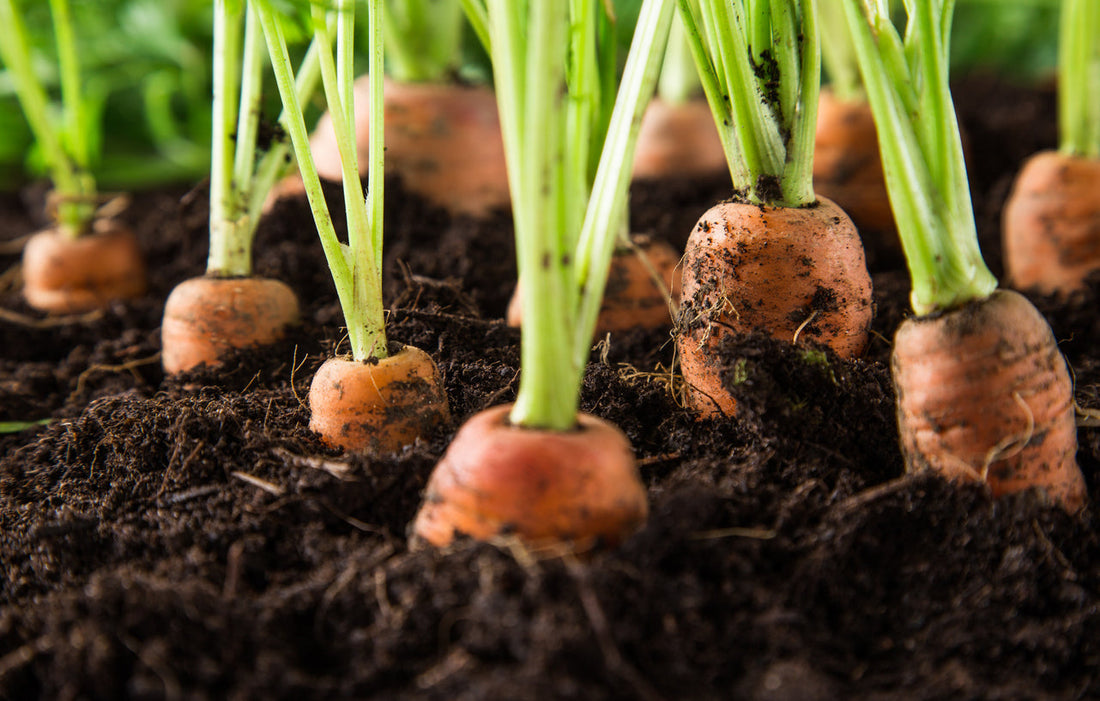
Carrots. Sweet, tasty and packed with nutrients – it’s no wonder that they’re one of the nation’s most loved vegetables. While we can’t say for sure if they do help you see in the dark, we can all agree that carrots are an incredibly versatile vegetable.
Introduction
Carrots. Sweet, tasty and packed with nutrients – it’s no wonder that they’re one of the nation’s most loved vegetables. While we can’t say for sure if they help you see in the dark, we can all agree that carrots are an incredibly versatile vegetable. They’re a staple ingredient in various savoury favourites – as a popular side in a classic Sunday roast or finely grated in a summer salad – yet just as tasty in sweet dishes, as the delicious carrot cake has proved time and time again.
But what do you need to know to grow your own supply of this tasty orange favourite?
Whether you’re just beginning your journey into gardening or a seasoned veteran, growing carrots at home isn’t always an easy task. In this guide, we share top tips and tricks for perfecting your homegrown crop, including advice on sowing carrot seeds, planting, and the best carrots to grow in the UK.
Common problems when growing carrots
One of the biggest challenges is carrot flies, which feast on plants and vegetables, damaging your crop. The most reliable prevention is planting carrots no earlier than June, though other measures can help stop these pests.
The best option is installing polythene cloches or investing in a polytunnel. These provide a physical barrier to prevent pests from reaching your crop. Install them early to avoid trapping carrot flies inside.
Best carrots to grow in the UK
Carrots come in various types, including purple, yellow, white, and the common orange. They fall into two categories: early varieties and maincrop. Early varieties are sown February-April and are softer and more flavourful. Maincrop carrots are sown April-July, are crunchier, and store longer.
When to plant carrots in the UK
The main sowing season is April-July, when outdoor growing conditions are optimal. Some varieties can be sown earlier in February-March under cover in a polytunnel or polythene cloche for protection from frost and rain.
How to plant carrot seeds
Use the edge of a trowel to make a small 1cm deep incision and place a seed inside. Leave 5-8cm between seeds to allow room for growth. Cover with soil and water gently with a rose-headed watering can for even sprinkling.
When and how to harvest carrots in the UK

Harvest timing depends on your size and taste preference. Younger carrots are softer and sweeter, while later-harvested carrots are larger and crunchier. Carrots are usually ready 12-16 weeks after sowing. Early varieties are ready from June; maincrop can be harvested from mid-to-late June, and for winter storage, no later than mid-October. Store in sand in a cool, dark, dry place.
How to care for your carrots
Carrots are relatively low-maintenance and resistant to drought. Keep weeds under control to avoid overcrowding. Thin seedlings every few weeks to give each plant space to grow. Handle seedlings gently to avoid releasing aromas that attract carrot flies.
Garden accessories that will help you with growing carrots
Consider using a polythene cloche tunnel to protect seedlings from carrot flies. Anti-bird nets prevent birds and small critters from reaching your crop. For early varieties, a garden shade net cloche can protect against harsh winter weather. For best results, consider a polytunnel to create a fully controlled environment.
Start growing carrots in a polytunnel today with Premier Polytunnels
For advice on choosing a polytunnel or other garden accessories, contact our team on 01282 811250 or email info@premierpolytunnels.co.uk. With over 35 years of horticulture experience, our friendly experts are always ready to help.


