What People Are Growing in Polytunnels
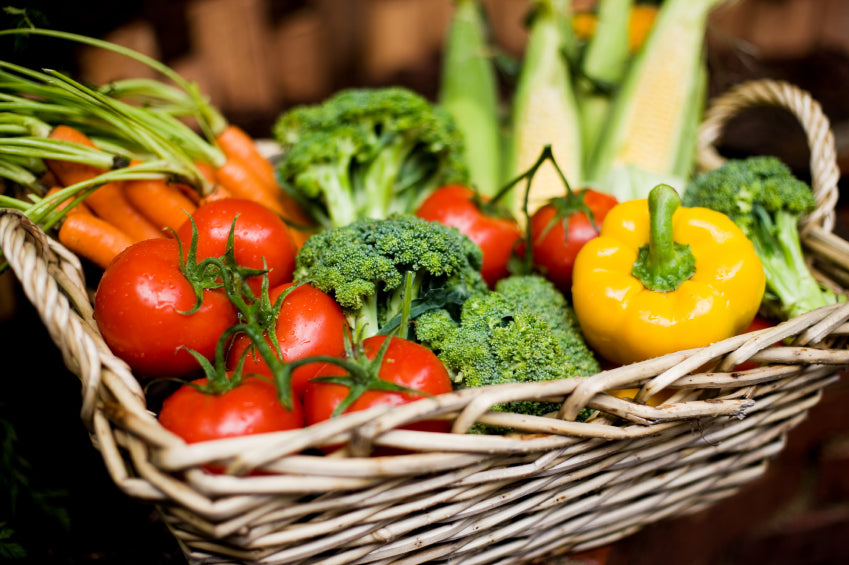
A survey we conducted gives a fascinating insight into how people across the UK are making the most of the shelter, warmth and extended growing season a polytunnel provides.
Introduction
If you’ve ever wondered what other gardeners, allotmenteers and growers are using their polytunnels for, the results might surprise you. A survey we conducted gives a fascinating insight into how people across the UK are making the most of the shelter, warmth and extended growing season a polytunnel provides.
Whether you’re a seasoned polytunnel pro or considering your first tunnel this year, this snapshot of real-world use will help inspire your next growing project.
Vegetables to grow in a polytunnel
According to the data, 79% of growers are using their polytunnels primarily for vegetables. That’s no surprise when you consider just how much better crops like potatoes, carrots, cauliflower, chard, lettuce, onions, and leeks perform under cover.
Polytunnels extend the UK growing season by retaining warmth and shielding plants from unpredictable weather – meaning you can sow earlier and harvest later compared with outdoor growing.
Imagine tasting homegrown courgettes or crisp lettuce in late autumn… without frost damage!
Growing fruit in polytunnels
A whopping 60% of polytunnel growers report growing fruit under cover.
That includes:
- Strawberries – fun fact: it’s estimated that 90% of British strawberries are grown in polytunnels, because the controlled environment greatly extends their season.
- Tomatoes, cucumbers, peppers, and melons – all flourish in the warmer, protected conditions that polytunnels offer.
Fruit lovers, take note – a polytunnel is one of the best ways to grow a wide variety of fruit crops even in the UK’s cooler climate.
Flowers and Ornamentals under cover
It isn’t just edible plants that benefit – 40% of growers are cultivating flowers and other ornamentals inside polytunnels.
If you’ve ever bought freshly cut flowers that don’t look like they came straight from a field, chances are they were grown under cover. Polytunnels give flowers a longer season and better protection from weather damage – perfect for both hobby and professional growers.
Other uses for a polytunnel
Interestingly, about 24% of people surveyed use their polytunnels for non-growing purposes too.
The most popular alternative use? Sheep housing – demonstrating just how versatile these structures can be.
From protecting livestock to creating sheltered workshops or storage space, there’s more to a polytunnel than meets the eye.
Choosing the right polytunnel for your garden
Understanding how people actually use polytunnels can help you make better decisions about:
- What to grow in a polytunnel
- How to layout your internal beds
- Extending your growing season
- Maximising both space and yield
Whether you’re growing veg for your family, flowers for sale, or planning something creative with your polytunnel, you’re in good company.
Extend the growing season with a Premier Polytunnel
At Premier Polytunnels, we offer a wide range of sizes – from compact garden sizes to large polytunnels suitable for commercial growers. With over 35 years of experience in designing and building robust, high-quality polytunnels, we’re here to help every step of the way.
Explore our range of polytunnels or contact our friendly team for advice on the right fit for your growing goals.
Check out more growing advice on our blog and polytunnel growing guides.
FAQs
What grows best in a polytunnel in the UK?
Vegetables like lettuce, carrots and onions perform exceptionally well due to the extended growing season.
Can you grow fruit in a polytunnel?
Yes. Strawberries, tomatoes, cucumbers and even melons thrive under cover.
Do polytunnels extend the growing season?
Absolutely. They protect crops from frost and harsh weather, allowing earlier sowing and later harvesting.


