The History of Polytunnels
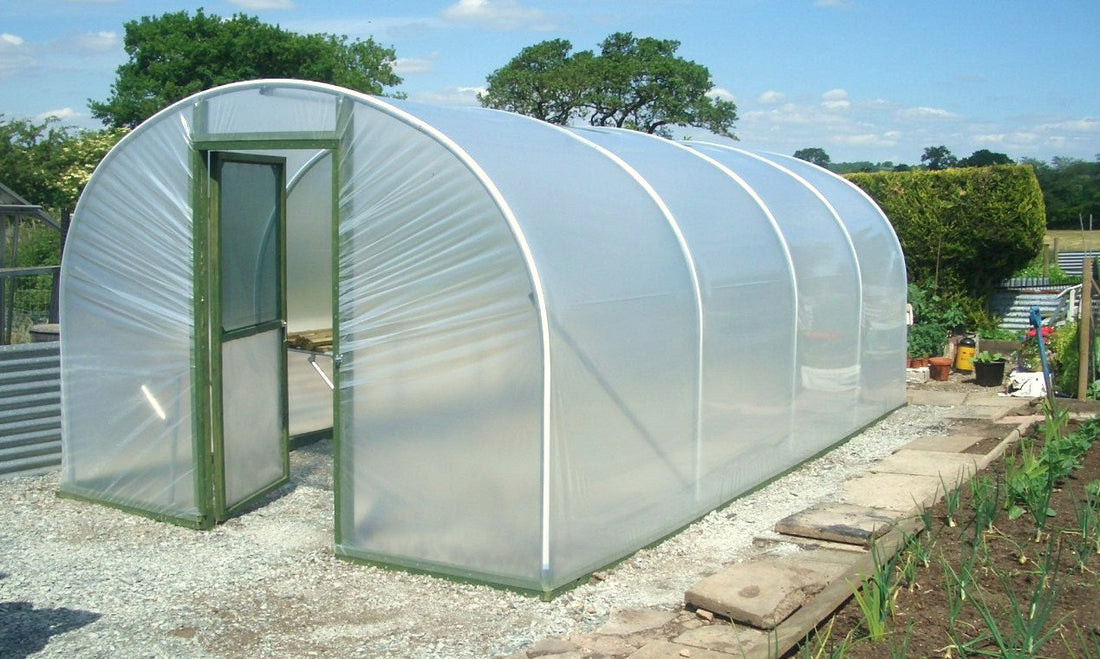
Polytunnels play a vital role in modern horticulture, helping growers extend seasons, protect crops, and improve yields. While they are now a familiar sight on farms, allotments, and gardens across the UK, polytunnels have a rich history rooted in innovation, practicality, and the changing needs of growers.
Introduction
The History of Polytunnels: From Early Innovation to Modern Growing Solutions
Polytunnels play a vital role in modern horticulture, helping growers extend seasons, protect crops, and improve yields. While they are now a familiar sight on farms, allotments, and gardens across the UK, polytunnels have a rich history rooted in innovation, practicality, and the changing needs of growers.
Early Crop Protection and the Origins of Polytunnels
Long before polytunnels existed, growers were experimenting with ways to protect crops from unpredictable weather. Early glasshouses offered controlled growing environments but were costly and often impractical for everyday growers.
As food production expanded and farming became more commercial, the demand for a more affordable and flexible solution grew. This need laid the groundwork for what would eventually become the polytunnel.
The Development of Plastic and the First Polytunnels
The real turning point came in the mid-20th century with the development of polyethylene plastics. Lightweight, strong, and cost-effective, plastic sheeting allowed growers to create covered growing spaces without the expense of glass.
By stretching polythene over curved metal hoops, early polytunnels were born. These simple tunnel structures trapped warmth, reduced wind damage, and protected crops from heavy rain and frost. For many growers, polytunnels transformed what was possible, allowing longer growing seasons and more reliable harvests.
How Polytunnels Have Evolved Over Time
As their popularity grew, polytunnels quickly evolved. Frames became stronger, anchoring systems improved, and UV-stabilised polythene covers increased durability and lifespan. Ventilation options, reinforced doors, and specialist covers allowed growers to better manage temperature, airflow, and humidity.
Modern polytunnels are no longer basic shelters. They are carefully engineered growing environments used for vegetables, fruits, flowers, plants, and even non-growing purposes such as storage and livestock shelter.
The Role of Polytunnels in Modern Growing
Today, polytunnels are an essential tool for both hobby growers and commercial operations. They offer a practical, cost-effective way to grow more reliably in an ever-changing climate. Whether used to extend the growing season, protect high-value crops, or increase productivity, polytunnels continue to support growers at every level.
With expectations higher than ever, growers now look for polytunnels that offer strength, longevity, and dependable support – qualities that define the best polytunnel suppliers.
The History of Premier Polytunnels
Premier Polytunnels was established with a simple aim: to provide strong, reliable polytunnels backed by honest advice and friendly, dependable service. As a family-run business, Premier Polytunnels understands the challenges growers face and the importance of investing in equipment that lasts.
Drawing on years of industry knowledge, Premier Polytunnels focuses on quality materials, robust construction, and practical designs that work in real growing conditions. Just as importantly, the company prides itself on offering a personal, professional service – taking the time to help customers choose the right solution for their needs.
From home gardeners to commercial growers, Premier Polytunnels continues the long tradition of polytunnel innovation, combining modern engineering with family values and a genuine commitment to customer care. It’s this approach that reflects how far polytunnels have come – and why they remain such a trusted growing solution today.


