The Benefits of Green Space in the Workplace
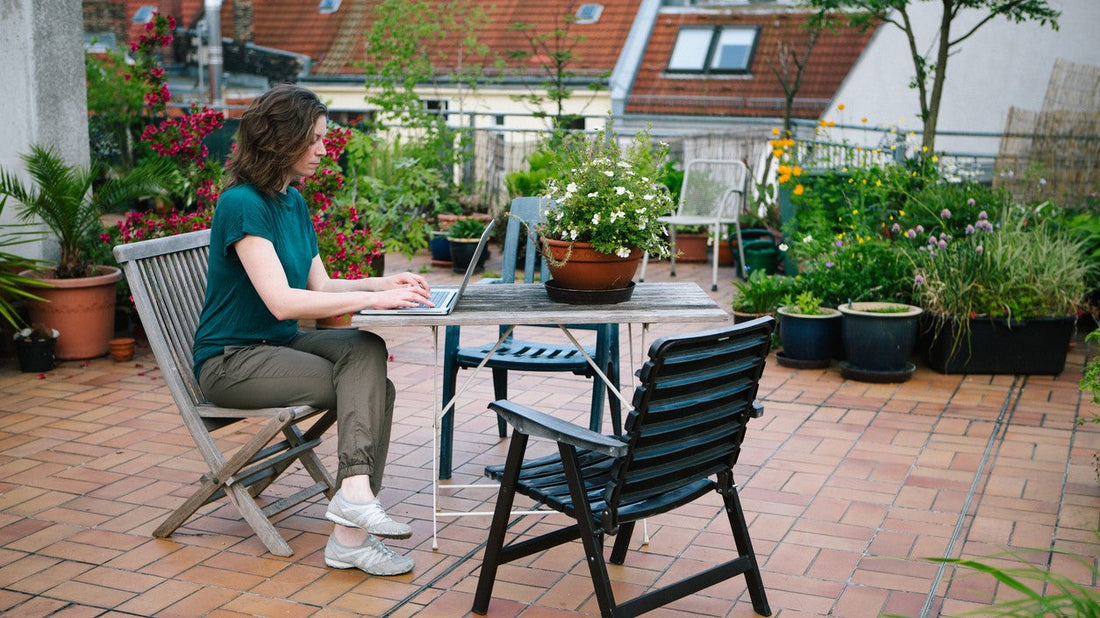
In today’s fast-paced, screen-focused working world, it’s easy to forget that we are still deeply connected to nature. Whether you’re managing a busy warehouse, operating a factory, or running an office, introducing green space into the workplace is far more than a decorative extra.
Introduction
In today’s fast-paced, screen-focused working world, it’s easy to forget that we are still deeply connected to nature. Whether you’re managing a busy warehouse, operating a factory, or running an office, introducing green space into the workplace is far more than a decorative extra. It is a proven way to support wellbeing, improve morale, and encourage a more productive working environment.
At Premier Polytunnels, we’ve seen first-hand how even small, well-designed growing spaces can transform not just outdoor areas, but workplace culture too.
Why Green Space at Work Matters
From improving mental wellbeing to encouraging collaboration and healthier working habits, green space can have a powerful positive impact on both employees and the wider workplace environment.
Reduces Stress and Anxiety at Work
One of the most immediate benefits of workplace greenery is its ability to reduce stress and anxiety. Spending time around plants has been shown to lower cortisol levels – the hormone associated with stress. Studies have found that simply viewing greenery can reduce mental fatigue and help people feel calmer.
This concept, often linked to the “biophilia hypothesis” popularised by Edward O. Wilson, suggests that humans have an innate need to connect with nature. By introducing plants into working environments, businesses can tap into this deeply rooted biological response, often leading to improved mood, lower stress levels, and fewer stress-related absences.
Boosts Productivity and Focus
Green space can also have a significant impact on concentration and productivity at work. Long periods of screen-based work can leave employees mentally drained, but green spaces provide what researchers describe as “soft fascination” – a gentle form of stimulation that helps the brain recover and refocus.
Employees who have access to plants or outdoor green areas frequently report greater creativity, improved concentration, and higher job satisfaction. Even something as simple as placing houseplants on desks or in communal areas can make a noticeable difference to the atmosphere and energy of a workspace.
Improves Air Quality
Another advantage is improved air quality. Indoor plants naturally absorb carbon dioxide and release oxygen, while some species can also help reduce airborne pollutants and increase humidity.
In modern office buildings, where ventilation can be limited, plants offer a simple, natural way to create a fresher, more comfortable environment.
Encourages Physical Activity and Team Building
Outdoor growing areas, particularly allotment-style spaces, encourage movement. Workplace gardening, planting, and harvesting provide gentle physical activity, which helps reduce the health risks associated with sedentary work.
More importantly, shared growing spaces encourage collaboration. A workplace vegetable patch or polytunnel becomes a social hub – somewhere for colleagues from different departments to connect in a more relaxed setting, strengthening teamwork and collaboration in a natural and informal way.
The Science Behind Green Workspaces
The benefits of workplace green space are supported by more than anecdotal evidence. Research from institutions including the University of Exeter has shown that enriching office environments with plants can increase productivity by as much as 15 percent.
From a psychological perspective, exposure to natural environments has been linked to reduced activity in areas of the brain associated with rumination and negative thinking. Studies also suggest that nature supports faster recovery from stress, enhances cognitive performance, and contributes to overall wellbeing. In simple terms, people tend to function better when they feel more connected to the natural world.
Practical Ways to Introduce Green Space at Work
The good news is that creating a greener workplace does not require acres of land or a large budget. There are scalable solutions for almost any setting that can still have a meaningful impact.
Adding Houseplants to Offices and Shared Areas
For many businesses, the easiest starting point is introducing houseplants into offices and shared areas.
Desk plants such as peace lilies, pothos, or ZZ plants can brighten individual workspaces, while larger statement plants can soften reception areas and meeting rooms. Hanging plants and living walls are also increasingly popular in breakout spaces, helping to create a more welcoming and relaxed atmosphere.
Encouraging staff to care for plants themselves can further strengthen a sense of ownership and involvement within the workplace.
Creating Indoor Herb Gardens
A simple herb garden on a sunny windowsill is another effective option, particularly for smaller offices or urban workplaces with limited outdoor space.
Herbs such as basil, mint, rosemary, and chives are relatively easy to grow and can be used in shared kitchens or staff lunches. Beyond their practical use, herbs introduce sensory benefits through their scent, texture, and appearance.
Adding an indoor herb garden is a low-maintenance way to bring nature into even the most compact workplace and is an ideal introduction to growing for beginners.
Creating a Workplace Allotment Area
Where outdoor space is available, businesses may wish to consider creating a small workplace allotment area. Raised beds can make gardening more accessible and manageable while providing teams with the opportunity to grow vegetables, salads, or soft fruit together. These spaces encourage employees to step away from their desks, support wellbeing initiatives, and create a shared sense of achievement as crops are harvested throughout the year.
Installing a Small Polytunnel
Installing a small polytunnel can take workplace gardening a step further by extending the growing season and protecting crops from unpredictable British weather. Polytunnels allow organisations to grow plants earlier in the year, protect more tender crops, and continue gardening projects through autumn and winter.
Installing a polytunnel can help businesses support workplace sustainability goals, promote local food growing, and encourage greater environmental awareness at work.
Using Cloches to Protect Crops
Even where space is more restricted, cloches can help protect salad crops, strawberries, and young plants from pests and harsh weather. These smaller structures can make compact growing projects more successful and rewarding without requiring significant space or investment.
Building Rooftop Gardens in Urban Workspaces
In urban areas where ground space is limited, rooftop gardens can provide an innovative solution. Unused rooftop areas can be transformed into valuable wellbeing spaces that offer employees a quiet retreat away from busy office environments. Alongside supporting staff wellbeing, rooftop gardens can also contribute to improved building insulation and help reduce urban heat build-up.
With careful planning, even city-based offices can reconnect employees with nature.
How Workplace Green Spaces Support Company Culture
Introducing greenery into the workplace isn’t just about aesthetics – it reflects a wider commitment to employee wellbeing and a healthier company culture.
When organisations invest in green spaces, they send a clear message that staff wellbeing matters. Over time, this can contribute to reduced absenteeism, stronger staff retention, and better teamwork. In a competitive recruitment landscape, a workplace that visibly prioritises health, sustainability, and work-life balance stands out.
Growing a Healthier and Happier Workplace
Whether it’s a single desk plant, a herb-filled windowsill, a shared allotment, or a fully equipped polytunnel, integrating green space into the workplace is ultimately an investment in people.
Nature has a unique ability to calm the mind, restore focus, and bring people together. With flexible solutions ranging from compact cloches to larger polytunnels for businesses, creating that connection with nature is more achievable than ever.
At Premier Polytunnels, we believe every workplace, regardless of size, can benefit from growing something. Because when you grow plants, you are not simply cultivating produce – you are cultivating wellbeing, resilience, and a healthier way to work.


