Herb Garden Growing Guide
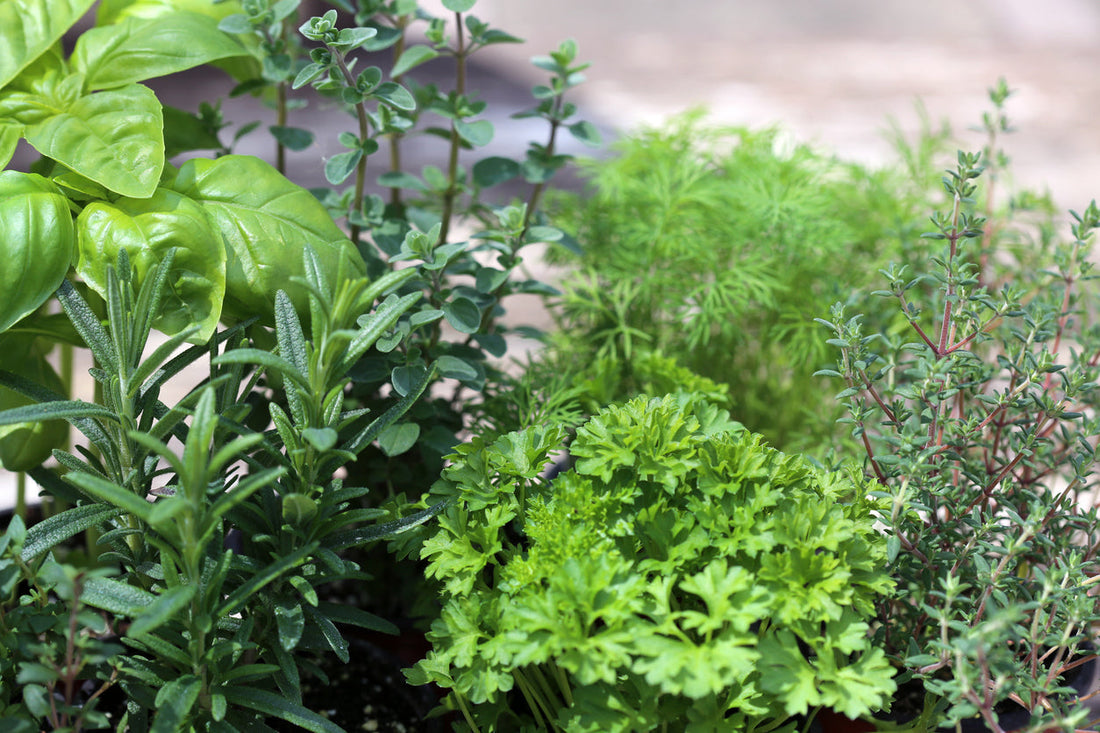
Turn a little corner of your garden into your very own pantry. A herb garden is a beautiful addition to any home, packed with fresh, aromatic herbs to bring flavour and depth to your cooking. They bring a multitude of health benefits too.
Introduction
Turn a little corner of your garden into your very own pantry. A herb garden is a beautiful addition to any home, packed with fresh, aromatic herbs to bring flavour and depth to your cooking. They bring a multitude of health benefits too. A herb garden is a more sustainable and cost-effective way to enjoy herbs – and it's simple enough for gardeners of all abilities to maintain. Discover how to grow herbs in your garden, where to best place them, which ones to choose and how to cultivate herbs, all in this handy herb garden guide.
What herbs should you have in your herb garden?
To curate your herb garden, we recommend considering these three factors:
Lifestyle
Look in your cupboard and note which herbs you use most in your cooking and day-to-day life. Do you drink peppermint tea often? Then be more sustainable and grow it in your garden! Do you love to use basil in your pasta recipes? Then this, too, would be a great addition to your herb garden.
Growing cycle
A herb's growing cycle can help you make your selection. Annuals grow for one season, whereas biennials last across two years, and perennials return year after year – these choices will shape how often you replant and maintain your herb garden.
Popularity
You can simply look at what is popular in other herb gardens and follow suit. Favoured herb garden choices include:
- Rosemary
- Oregano
- Lavendar
- Parsley
- Thyme
Where to grow herbs in the UK
Before you can get your hands dirty, you must first decide where to place your herb garden. Review which herbs you have chosen and research what they need to thrive.Herbs enjoy sunlight and well-drained soil with plenty of organic matter, so look at areas that meet these requirements. Popular choices include:
- A raised bed: Offers excellent drainage and warms up more quickly in spring. It's ideal for sun‑loving herbs and allows you to enrich the soil easily, helping to support continuous sowing of herbs throughout spring and summer.
- On a sunny windowsill: Perfect for growing herbs during colder months. Herbs can be potted up from outdoors and brought inside for winter, keeping them within easy reach for cooking.
- Under a polytunnel or cloche: If you're wondering "can a herb garden survive winter?", polytunnels and cloches provide a protected environment, meaning it can. They also allow you to sow herbs earlier in spring. This controlled setting is ideal for starting trays or more tender varieties until the soil outdoors warms up.
When to sow herbs
When you plant your herbs depends on what form they are in:
Sowing herbs from seed
Many popular herbs are easy to grow from seed and are ideal for gardeners who enjoy starting plants from scratch. Herbs like chives and parsley can be sown under cover from January to early April for an early start, while fast growing herbs such as chervil and dill can be sown directly outdoors from March once soil conditions improve.
Planting herbs from cuttings
Some herbs are best propagated from cuttings, which establishes them more quickly. Herbs, including rosemary and thyme, can be propagated from late summer to early autumn, making this a useful method for expanding your herb garden without buying new plants.
How to grow herbs
The growing method will also differ depending on whether you are planting from seed or plants.
Growing herbs from seed
- Fill your pot or raised bed with compost.
- Prepare the soil surface by raking it and pressing it down to remove oxygen pockets and create a stable base for the seeds.
- Place the seeds onto the soil and push them down to 5-6mm below the surface.
- Firm the soil by pressing down on top of it.
- Water the plant thoroughly and then lightly once a week going forward.
Growing herbs from a plant
- Harden off the plants first – let them acclimatise to the outdoors over several days.
- Rake the soil so it's level and remove any stones or clumps.
- Create a hole big enough for the top of the root ball to sit just below the soil surface.
- Gently remove the plants from their containers.
- Insert the plant and press the soil around it to remove air pockets.
- Water well at the time of planting, and then once a week thereafter.
How to cultivate herbs
- Harvest little and often to encourage growth.
- Cut back cleanly to a growth point, such as just above a pair of leaves or close to the base, depending on the plant.
- Remove whole stems or leaves where possible, as it helps the plant regrow evenly.
- Avoid cutting into woody growth to ensure healthy regrowth.
Create your dream herb garden with Premier Polytunnels
Premier Polytunnels and their accessories provide an ideal growing environment for herbs. By offering protection from harsh weather, polytunnels help herbs thrive year round, producing richer flavour and more reliable harvests. With accessories to support ventilation and plant protection, they're a smart choice for anyone serious about growing luscious, healthy herbs.
Ready to take your herb garden further? Get in touch with the Premier Polytunnels team or browse our FAQs page for expert advice. Looking to expand your skills further? Explore our growing guides for more tips on how to grow herbs and spices, vegetables and fruit successfully throughout the year.


