How to Help Grow Young Minds This Summer with a Polytunnel
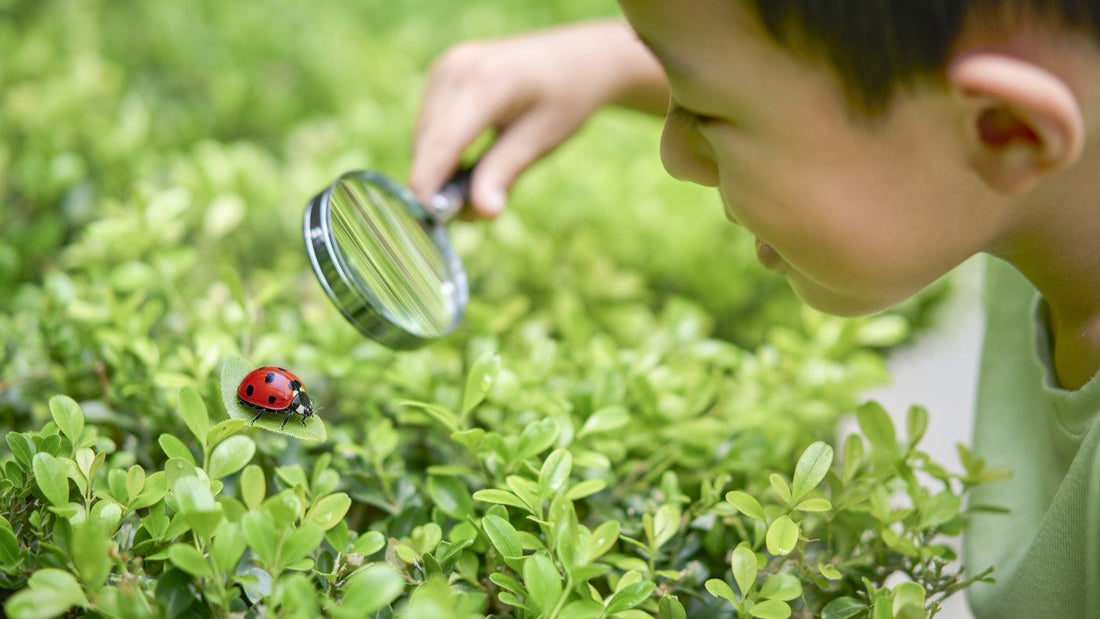
Whether you’re a parent looking for engaging summer holiday activities, a school teacher planning outdoor lessons, or a home educator searching for practical resources, a polytunnel offers a unique blend of creativity, discovery, and fresh air.
Introduction
When people think about polytunnel gardening, they tend to picture rows of tomatoes, strawberries, and leafy greens. Here at Premier Polytunnels, we know that a polytunnel is capable of growing so much more than just a bountiful harvest. These versatile structures make excellent, hands-on outdoor classrooms just waiting to be explored by curious young minds.
Polytunnel gardening isn’t just for seasoned growers with years of experience. It is a fantastic, tactile learning space for children of all ages. Whether you’re a parent looking for engaging summer holiday activities, a school teacher planning outdoor lessons, or a home educator searching for practical resources, a polytunnel offers a unique blend of creativity, discovery, and fresh air.
So, this summer, why not get the kids involved and help grow more than just plants?
Art in the Polytunnel
Spending time out on the plot can easily be turned into an artistic adventure. Introducing children to the joys of growing their own food is the perfect opportunity to spark their imagination and get their creative juices flowing. Instead of simply picking a ripe strawberry and eating it, you can encourage children to transform their harvest into tiny, edible creatures. A bright red strawberry easily becomes a spotted ladybird, turning a healthy snack into a fun, creative project that helps children build a positive relationship with fresh produce.
For a larger group project – ideal for family garden parties or end-of-term school celebrations – you could try your hand at carving a ‘melon shark’ from a home-grown watermelon.
These artistic activities in the polytunnel do more than just pass the time; they help children appreciate the diverse colours, textures, and shapes found in nature. Developing creativity using natural materials teaches children to feel a deep sense of pride in something they have nurtured from a tiny seed into a masterpiece.
Suddenly, fruit and veg become inspiration.
Practical Maths and Measuring on the Plot

Mathematics becomes much more exciting when there is soil, seeds, and a bit of friendly competition involved. Planting vegetables, fruits, and flowers creates the perfect, real-world environment for children to develop practical numeracy skills without it ever feeling like schoolwork.
A polytunnel offers a wonderful space to track growth across the summer months. Children can get involved by:
- Measuring plant heights on a weekly basis and plotting the results on a chart.
- Tracking and comparing the growth rates of different crops.
- Measuring and comparing leaf sizes to see how plants capture sunlight.
- Calculating the correct watering amounts needed during a summer heatwave.
- Recording and weighing the final harvest to see who grew the heaviest yield.
To up the stakes, why not introduce a friendly family or classroom competition to see who can grow the biggest pumpkin, the longest cucumber, or the heaviest courgette? By incorporating measuring into their routine, numbers suddenly take on a real, tangible purpose – and having a prize at the end for the champion grower certainly helps keep enthusiasm high!
Science and the Living Ecosystem of a Polytunnel
A polytunnel is far more than just a protective shelter for plants; it is a thriving, bustling habitat. Step inside on a summer afternoon, and children can observe pollination, plant life cycles, and the fascinating world of beneficial insects up close. It is a brilliant way to teach the National Curriculum life cycles topics in a living, breathing environment.
Keep an eye out for busy bees acting as essential pollinators, and look closely for ladybirds, which act as natural aphid predators. These helpful creatures support your plant growth and demonstrate the power of organic, natural pest control in action.
At the same time, it is the perfect place to explain the delicate balance of ecosystems. While slugs and snails might look harmless to a child, learning how quickly they can munch through leafy crops teaches valuable lessons about food chains and environmental responsibility. Science stops being a page in a textbook and becomes something they can see, touch, and truly understand.
Travel the World with Geography in the Garden
Transform your polytunnel into a global learning adventure for your children or pupils, all without packing a suitcase or boarding a flight.
Polytunnels create a warmer, more stable growing environment than the open garden, allowing you to experiment with exotic crops from different climates. This protected environment makes a polytunnel the ultimate outdoor classroom for interactive geography lessons at home or school.
You can experiment with growing unusual and exotic crops such as:
- Bird’s Eye chillies
- Balsam pear
- Strawberry spinach
- Tomatillo
- Chinese artichoke
To bring the lesson to life, print out pictures of your chosen crops and stick them onto a world map. Have the children research where these plants naturally originate, what kind of climate they need to thrive, and how a polytunnel successfully recreates those growing conditions. Through this, young growers begin to understand climate zones and how temperature affects growth, the vital role that controlled environments play in agriculture, and even how global food production works.
A simple planting session can turn into a global exploration.
Why Polytunnels Make Perfect Outdoor Classrooms

There is a reason why schools, community groups, and families across the UK are increasingly investing in polytunnels for outdoor learning. A high-quality polytunnel provides a safe, sheltered space that offers reliable protection from the notoriously unpredictable British weather. When the summer showers inevitably arrive, the learning, playing, and growing don't have to grind to a halt.
Furthermore, the protected environment extends the traditional UK growing season. This means schools can plant seeds earlier in the spring term and continue harvesting well into the autumn, long after the summer holidays have come to an end.
Hands-on outdoor activities are proven to improve educational engagement and knowledge retention. A child is far more likely to remember how photosynthesis or pollination works when they have spent their afternoon watching it happen right before their eyes.
Grow Plants. Grow Confidence. Grow Curiosity.
From carving fruit creatures and measuring giant pumpkins to observing beneficial insects and exploring world climates, a polytunnel offers endless learning opportunities. This summer, look beyond the standard garden routine. Don't just grow vegetables – grow children’s imagination, grow their practical life skills, and grow young minds.
If you are interested in creating a dedicated, weather-proof learning space for your school, community group, or family garden, explore our wide range of high-quality, British-manufactured structures at Premier Polytunnels and start planning your ultimate outdoor classroom today.
FAQs
How can a polytunnel be used in schools?
A polytunnel can be used as an outdoor classroom for teaching art, maths, science, and geography through hands-on gardening projects.
What subjects can be taught in a polytunnel?
Polytunnels support STEM learning, creative arts, environmental science, food education, and geography.
Are polytunnels suitable for primary schools?
Yes. Polytunnels provide a safe, enclosed environment that allows children to explore nature while protected from unpredictable weather.


