Why Ladybirds Are Good for Your Garden & Allotment
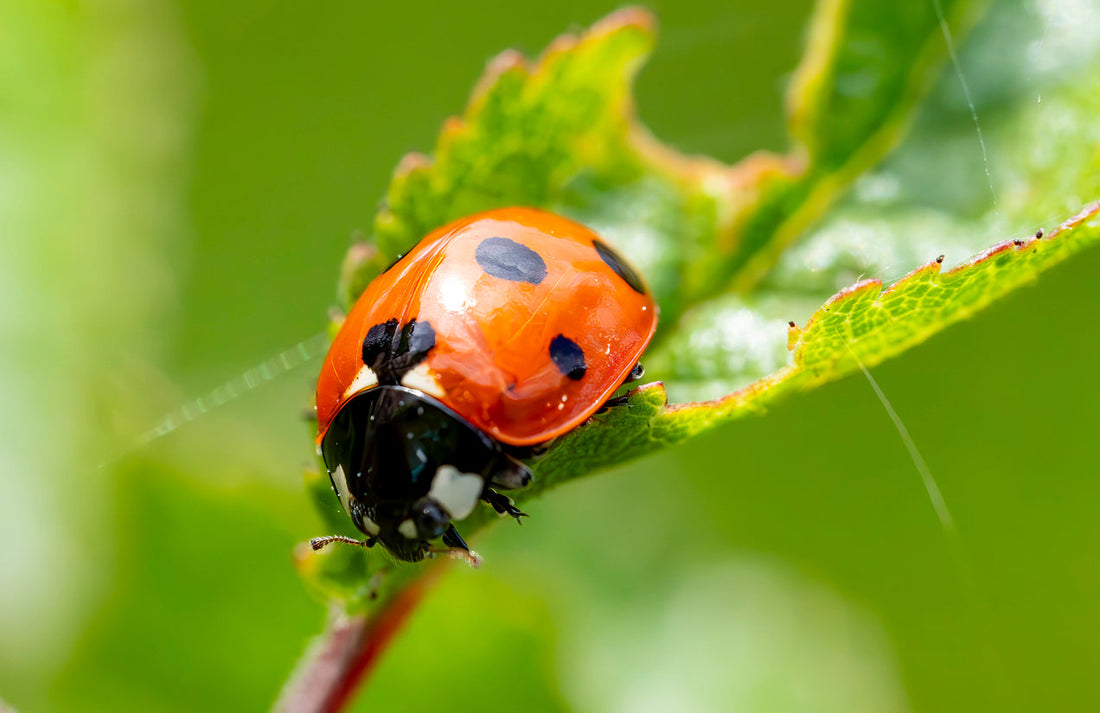
If you’ve ever spotted a ladybird resting on a leaf, you’ve already met one of the most helpful insects in any UK garden or allotment. These small, colourful beetles are more than just a welcome sight – they’re a powerful form of natural pest control.
Introduction
If you’ve ever spotted a ladybird resting on a leaf, you’ve already met one of the most helpful insects in any UK garden or allotment. These small, colourful beetles are more than just a welcome sight – they’re a powerful form of natural pest control.
For gardeners looking to grow organically or reduce chemical use, ladybirds are one of the best allies you can have.
What Are Ladybirds Good for in the Garden?
Ladybirds are beneficial insects that help control common pests like aphids – better known as greenfly and blackfly. Both adult ladybirds and their larvae feed on these sap-sucking insects, helping to protect your plants naturally.
A single ladybird can eat dozens of aphids a day, while their larvae can consume even more. This makes them especially valuable for allotment holders and anyone practising wildlife friendly gardening.
Natural Pest Control for UK Gardens
Aphids are one of the most common problems in UK gardens, particularly in spring and early summer. They attack everything from the roses in your borders to the broad beans in your polytunnel, weakening plants and spreading disease.
Instead of relying on chemical sprays, which can harm pollinators and other beneficial insects, ladybirds offer a chemical-free alternative. By encouraging ladybirds into your garden or allotment, you can keep greenfly and blackfly under control in a natural and sustainable way.
This approach is at the heart of organic gardening and is widely recommended across UK gardening communities.
Supporting Wildlife Friendly Gardening
Ladybirds are an important part of a healthy garden ecosystem. Their presence often indicates a balanced environment where nature is doing much of the work for you.
In UK gardens, creating space for beneficial insects like ladybirds, bees, and hoverflies helps maintain biodiversity and reduces the need for intervention. Rather than eliminating all pests, ladybirds help keep populations at manageable levels, supporting a more resilient growing space.
Safe for Families, Pets, and Pollinators
One of the biggest advantages of using ladybirds for pest control is safety. Unlike pesticides, they pose no risk to children, pets, or pollinators such as bees.
This makes them ideal for family gardens and shared allotments, where chemical use is often discouraged. By relying on natural predators like ladybirds, you can grow healthy crops without worrying about harmful residues.
Understanding the Ladybird Life Cycle
Ladybirds go through four stages: egg, larva, pupa, and adult. While most people recognise the adult beetle, the larvae are less well known but just as important.
Ladybird larvae look quite different – commonly dark with orange or yellow markings and slightly spiky – but they are extremely effective at controlling aphids. Spotting them in your garden is a good sign that natural pest control is already at work.
Encouraging all stages of the life cycle helps maintain a steady population throughout the growing season.
How to Attract Ladybirds to Your Garden or Allotment
If you want to attract more ladybirds to your garden or into your polytunnel, there are a few simple steps you can take:
Plant for Ladybirds
Grow plants that attract aphids, such as nasturtiums and broad beans, alongside flowers like marigolds, calendula, and dill. These create a food source that draws ladybirds in.
Avoid Chemical Pesticides
Even organic sprays can harm beneficial insects. Reducing or eliminating pesticide use is one of the most effective ways to encourage ladybirds.
Provide Shelter
Ladybirds need places to hide and hibernate, especially over winter. Log piles, leaf litter, and bug hotels all provide ideal shelter.
Embrace a Natural Garden Style
A slightly less tidy garden is often a healthier one. Leaving some areas undisturbed can make your space more attractive to wildlife, including ladybirds.
A Natural Solution for Allotment Pest Control
For UK allotment holders, ladybirds are particularly valuable. Crops like beans, tomatoes, and soft fruits are often targeted by aphids, but ladybirds can help keep infestations under control without the need for chemicals.
By encouraging ladybirds, you’re not only protecting your crops but also contributing to a more sustainable and environmentally friendly way of gardening.
A Small Insect with a Big Impact
Ladybirds may be tiny, but their impact on UK gardens and allotments is significant. From controlling greenfly to supporting biodiversity, they are a key part of wildlife-friendly gardening.
By making your garden a welcoming place for ladybirds, you can enjoy healthier plants, fewer pests, and a more balanced ecosystem – all without reaching for chemical solutions.
So next time you see a ladybird in your garden or polytunnel, take a moment to appreciate it. It’s not just an attractive visitor – it’s one of your most effective natural helpers.


