Horticultural Healing: How Gardening Supports Mental Health and Wellbeing
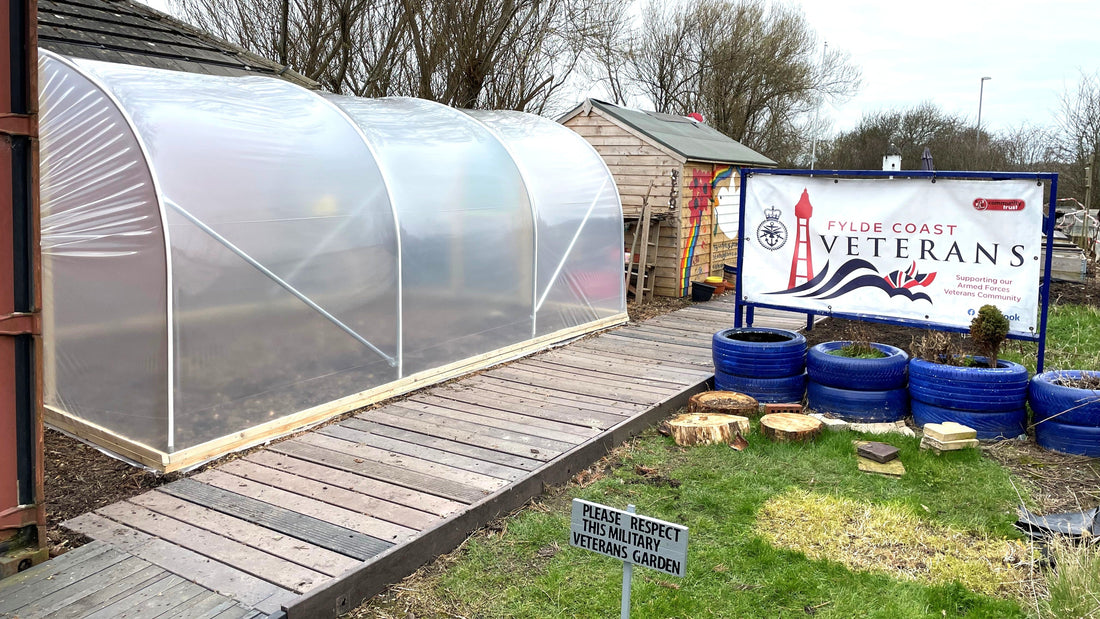
Horticultural healing has been tested and proven time and again. Alongside the physical benefits of getting outdoors and active, there’s a growing body of evidence pointing to the powerful mental health benefits that come from gardening and spending time in nature.
Introduction
At Premier Polytunnels, we’ve spent decades helping growers of every kind get more out of their outdoor space – from allotment holders and commercial growers to schools, community projects and charitable organisations. Over the years, one of the most rewarding parts of our work has been watching horticultural therapy transform not just gardens, but the people who tend them.
Horticultural healing has been tested and proven time and again. Alongside the physical benefits of getting outdoors and active, there’s a growing body of evidence pointing to the powerful mental health benefits that come from gardening and spending time in nature. It’s a message we’ve seen play out first-hand through our work supporting veterans’ charities and community growing projects up and down the country.
What is Horticultural Therapy?
Horticultural therapy – also known as Social and Therapeutic Horticulture (STH) – uses gardening and plant-based activities to support a person’s physical, emotional and mental health. Participants may grow vegetables, flowers, herbs or fruit, care for plants, learn new gardening skills, and spend time in a calm outdoor environment.
Across the UK, many charities, care providers, and therapeutic organisations use horticultural therapy programmes to help people experiencing:
- Anxiety
- Depression
- Post-Traumatic Stress Disorder (PTSD)
- Stress-related conditions
- Social isolation
- Bereavement
- Long-term health conditions
- Rehabilitation following illness or trauma
These programmes often combine practical gardening activities with structured support, allowing participants to develop new skills while benefitting from time spent in nature.
The Science Behind Horticultural Healing
Why does spending time around plants have such a profound impact on our psychological state? Well, research into gardening for mental health demonstrates significant benefits that are both biological and psychological:
Natural Stress Relief: Digging, weeding and working outdoors lowers cortisol (the body’s main stress hormone) while releasing natural mood-boosting endorphins.
Sensory Stimulation: The smell of damp soil, the visual calm of green foliage, and the tactile nature of handling foliage help ground the mind, offering welcome respite for those suffering from Post-Traumatic Stress Disorder (PTSD), severe anxiety, or depression.
Greater Self-Esteem & Confidence: Nurturing a plant from seed to harvest builds practical skills and delivers visual validation, helping individuals rebuild self-worth and pride in their capabilities.
Increased Physical Activity: Functional garden tasks offer accessible, functional exercise that improves mobility, builds strength, and supports cardiovascular health without the pressure of a traditional gym environment.
Better Sleep Quality: Outdoor exertion and natural daylight exposure help reset internal sleep-wake cycles, making it easier to fall asleep and improving overall sleep architecture.
Routine & Purpose: Plants rely on care. For individuals transitioning out of structured environments or dealing with emotional distress, having a living crop that needs regular watering and tending provides structure and a meaningful daily goal.
Enhanced Concentration & Focus: Spending time in green spaces restores directed attention capacity, helping to reduce brain fog and improve cognitive clarity.
Overcoming Isolation: Group gardening sessions provide a safe, non-judgmental space where participants can connect with peers who share similar experiences, building long-term, supportive relationships.
Petal power really is more rewarding than you may think – bringing positivity, balance, and renewed focus into everyday life.
How Charities Use Horticultural Therapy
Many UK charities now use horticultural therapy to encourage rehabilitation and recovery. For example, several military and veterans' charities use therapeutic gardening to assist ex-service personnel dealing with physical injuries or mental health conditions such as PTSD.
For ex-forces personnel, adapting to civilian life or processing traumatic experiences can feel isolating. Statistics regularly show that mental health challenges hit veteran communities particularly hard, making accessible, community-led support essential.
By taking part in group courses and one-to-one sessions provided by veterans’ charities, participants can gain confidence, knowledge and experience which can, for some, lead to a future hobby or career in the horticultural industry.
The Role of Polytunnels in Year-Round Horticultural Healing
A well-designed polytunnel can significantly enhance a horticultural therapy programme by providing a safe, accessible and productive growing environment where people of all abilities can garden comfortably year-round.
As specialists in polytunnel design and manufacture, Premier Polytunnels understands the importance of having a dedicated, weather-proof space where community members can gather, tend to plants, and stay connected no matter the British weather.
Our Experience Supporting Therapeutic Growing Projects

Over the years, the team at Premier Polytunnels has had the privilege of supplying and even sponsoring commercial and domestic polytunnels for numerous community projects and charities. Seeing participants tend their crops – growing everything from vibrant bedding flowers to giant pumpkins and butternut squash – is a constant reminder of what can be achieved when people and plants (and polytunnels!) come together.
If you’re part of a charity, community group, or care organisation looking to set up a horticultural therapy project, our team is always happy to assist you every step of the way. We provide expert guidance on choosing the right polytunnel size, selecting high-durability covers, and structuring your layout for maximum accessibility. Together, we can build a thriving, sheltered space where your community can grow and blossom.
How to Get Involved with Horticultural Therapy
Whether you want to experience the healing benefits of nature yourself, support a local cause, or introduce therapeutic elements to your own growing space, here are a few simple ways to start:
- Volunteer at a Local Community Garden: Look for local charities or NHS social prescribing schemes that run therapeutic horticulture programs.
- Create a Mindful Space at Home: Dedicate a corner of your garden, allotment, or polytunnel purely for relaxation – plant scented herbs like lavender and chamomile, and add seating where you can simply observe nature.
- Grow Food from Seed: The simple act of growing fruits and vegetables from seed, such as nurturing a tiny tomato or pumpkin into a bountiful harvest, delivers a measurable, tangible boost to both mental health and personal confidence.
The Lasting Impact of Horticultural Healing
Horticultural healing is not simply about gardening; it is about creating opportunities for recovery, connection and personal growth.
For some people, therapeutic gardening becomes a regular hobby that supports long-term mental wellbeing. For others, it provides a stepping stone towards education, volunteering or employment. Even small achievements – planting a seed, harvesting a tomato or sharing flowers with others – can make a meaningful difference.
In a world where stress, anxiety and social isolation affect so many people, the simple act of growing plants continues to demonstrate remarkable therapeutic value.
Petal power is more than a phrase – it is a reminder that nature has the ability to restore balance, improve wellbeing and help people flourish.


