How To Heat A Polytunnel In Winter
Winter can be bitterly cold and gardeners are often left wondering how they can help their plants to stay warm in their beds. Here are some top tips on fighting the frost and keeping the temperature up inside your polytunnel.
Introduction
Brrrr! A British winter can be bitterly cold and polytunnel gardeners are often left wondering how they can help their plants to stay warm in their beds. So, here are some top tips on fighting the frost and keeping the temperature up inside your polytunnel until Spring arrives.
Best Ways to Heat a Polytunnel During Cold Weather
Heating a polytunnel with the use of a heater can be quite costly; a top tip to keep costs down and ensure you are not wasting energy is to divide the polytunnel into smaller areas which can be heated more economically. Use polythene or bubble wrap sheets to section off areas of the tunnel which can then be heated separately.
How to Insulate a Polytunnel for Winter
Insulate your polytunnel by covering ventilation and doors with bubble wrap, keeping out icy draughts and retaining the heat. A full layer of bubble wrap on the inside of the tunnel, fastened with cable ties or string between the hoops and the polythene cover, will provide even further insulation. (Be aware that if the bubble wrap used is not UV stabilised it is likely to only last one year).
'Double Glaze' Your Polytunnel

Using a polythene cloche inside the polytunnel will act as ‘double glazing’ during the colder months, giving your plants extra protection from the harsh weather and frost, and keeping heating costs down. A polythene cloche is a portable or removable polytunnel which is used to retain heat and is perfect for protecting your plants from late frost. Throughout the rest of the year it can be used to sit on a veg patch or flower bed, as and when you need it.
Creative Ways to Keep Your Polytunnel Warm
Lighting candles inside the polytunnel can help to raise the temperature.
A very effective way to grab some free heat is to position some large rocks around the inside edge of the tunnel; the rocks will absorb the precious winter sunlight and retain the heat, helping to raise the temperature on cold days.
Another top tip and very handy trick is to put a large dark-coloured water butt inside the tunnel; the water will act as a heat store, absorbing and retaining heat during the day and releasing it slowly at night.
Keep Your Crops Warm In Their Beds
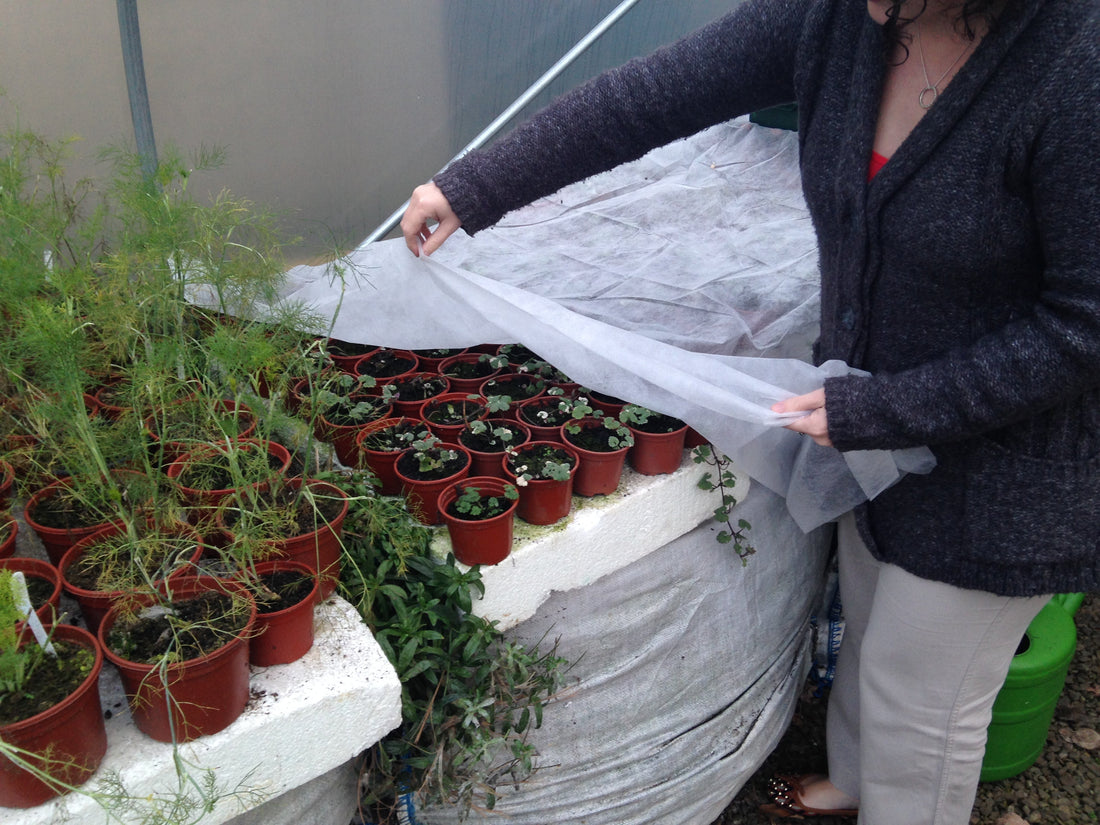
Cover and protect young, tender and vulnerable crops on frosty nights; many people use horticultural fleece to keep their plants warm in their beds and some gardening experts even use sheets of newspaper.
For hints and tips on how to protect your polytunnel when it snows and is windy, take a look at our 'Protect your Polytunnel in the Snow and Wind' advice.


