Figs Growing Guide
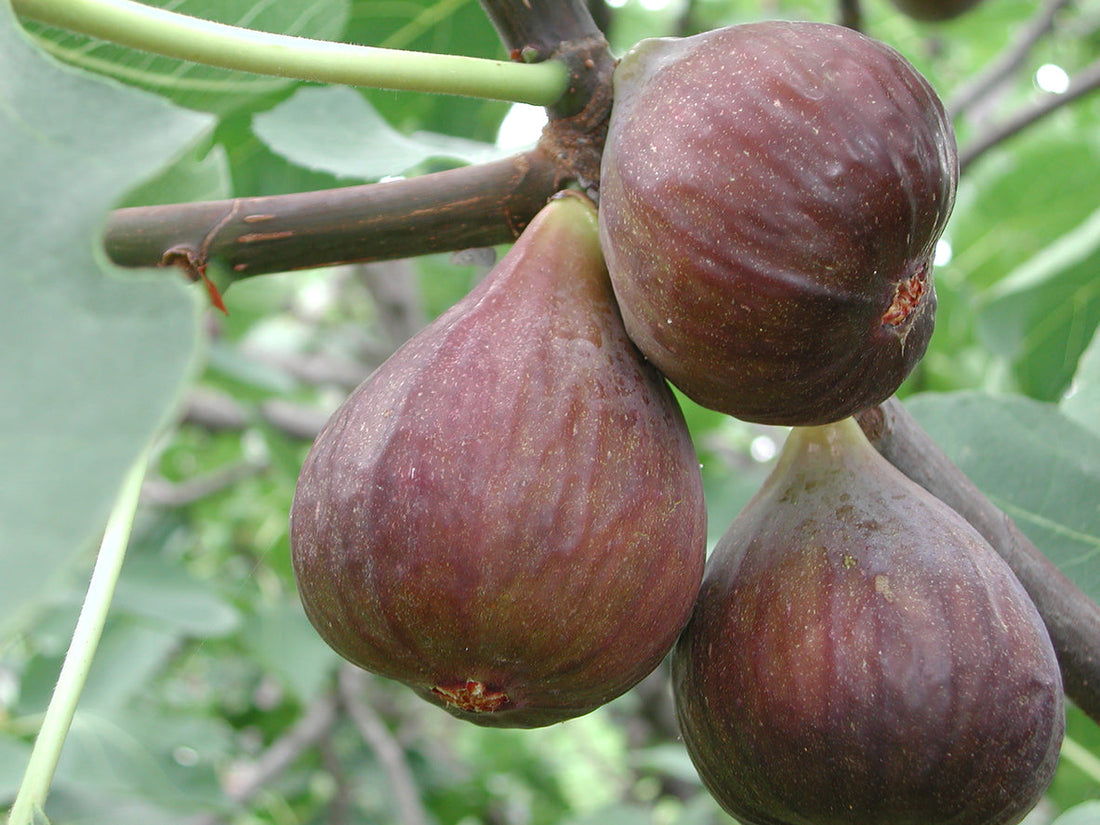
Whether you're exploring their sensational health benefits or looking for a colourful addition to summer salads, figs make a wonderful choice. They have a distinct, delicate flavour and a soft yet chewy texture. Perhaps surprisingly, they can also be an easy fruit to grow in the UK.
Introduction
Thinking of planting and growing figs in your garden? Whether you're exploring their health benefits or looking for a colourful addition to summer salads, figs make a wonderful choice. They have a delicate flavour and soft, chewy texture, and can be surprisingly easy to grow in the UK.
Knowing how to grow figs gives you a secret ingredient. Beginners and experienced gardeners alike can enjoy these nutritious fruits’ hardy and bountiful nature. Here's everything you need to know about growing figs in pots, polytunnels, and gardens.
Can you grow figs in the UK?
Yes! With a sunny, sheltered environment, figs can thrive in containers or planted directly in the ground. For best results, choose a suitable variety, such as the 'Brown Turkey', which is well-suited to the UK’s mild, wet climate. This variety is delicious eaten fresh and pairs well with savory foods like cheese and cured meat.
How to grow figs
Fig trees can be planted in the ground or in pots (at least 2ft deep and wide). Here are three essential steps:
1. Choose a warm, sunny spot
Fig trees thrive with plenty of sunshine. Plant in a bright corner or against a south-facing wall. Branches naturally fan out, so give each tree space if planting more than one. Heat is crucial for producing ripe fruit. In cooler summers, consider growing figs in a polytunnel, moving them outside if they become too tall.
2. Restrict the roots
Restricting root growth encourages more fruit production. You can:
- Dig a hole at least 2ft wide and deep.
- Line the sides vertically with paving slabs, forming a 1-inch rim above the soil to prevent roots from escaping.
- Add 4–8 inches of stones, gravel, or rubble at the base for drainage.
- Refill the hole with soil and plant your fig tree.
3. Care for your figs
Fig trees require ongoing care. Container-grown trees need repotting every 2 years. Regular care includes:
- Watering: Water frequently during warm weather, especially for potted trees. Newly planted figs need extra attention.
- Mulching: Apply a thick layer of garden compost or well-rotted manure to retain moisture, leaving a small gap around the trunk.
When is the best time to plant fig trees?
Spring is the ideal time to plant figs, giving them a full season of warm weather to maximize growth and fruiting potential.
How big can a fig tree grow?
Fan-trained fig trees can reach around 11ft wide, though they may grow larger if given space. Heights of at least 6ft are typical. Most fig trees produce their first fruit within two years.
Harvesting figs
How do you know when figs are ready to harvest?
Ripe figs are large, plump, soft to the touch, may begin splitting, and often look like they’re dropping from the branch. They may darken in color and detach easily from their stem.
When to harvest figs in the UK
In the UK, figs are typically harvested once a year, usually in early to mid-autumn. Tiny, pea-sized figs forming in autumn will stay on the tree over winter and ripen the following year.
Harvest your first figs with Premier Polytunnels
Enjoy homegrown figs with our range of polytunnels and cloches, making planting and care easier while maximizing your harvest. For more information, contact us at 01282 811250 or info@premierpolytunnels.co.uk.


