Garden Poisonous Plants Guide
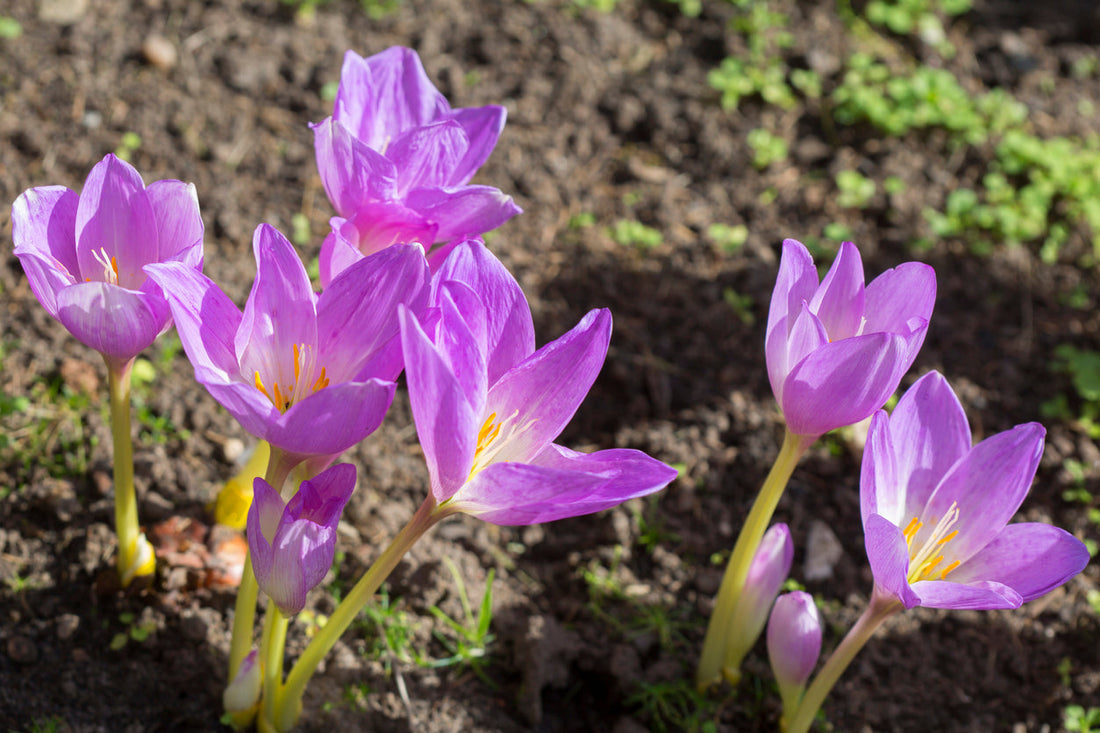
Some UK garden plants are hazardous, posing a hidden risk to curious pets and young children. While serious poisoning of people is very uncommon, it can and does happen, so it's important to know what could happen and what to do if it does.
Introduction
Some UK garden plants are hazardous, posing a hidden risk to curious pets and young children. While serious poisoning of people is very uncommon, it can and does happen, so it's important to know what could happen and what to do if it does.
The good news is that gardens remain safe and enjoyable spaces when plants are grown and handled responsibly. A little awareness goes a long way.
Are common garden plants poisonous to humans?
Most garden plants are safe to grow, provided you approach the process in the right way. However, some ornamental plants can be dangerous if not treated with respect.
What are the main hazards?
Ingestion
Eating a non-food plant risks harmful reactions, from digestive discomfort to more severe issues like kidney problems. Some common garden plants are toxic to humans if ingested, including (but certainly not limited to) ivy, monkshood, deadly nightshade, autumn crocus, hogweed, lily-of-the-valley and yew. Babies and young children are most at risk because they're more likely to eat plants as they explore.
Contact
Touching plants can be hazardous. Some plants contain allergens, and children sensitive to these allergens could develop an allergic reaction like contact dermatitis (skin rash). Plant sap may cause a burning sensation and blistering of the skin, and anyone can be affected if exposed.
For a comprehensive list of garden plants known to have caused harm to humans, browse the Horticultural Trades Association (HTA) guide to potentially harmful plants.
What garden plants are poisonous to dogs?
Thankfully, one quick sniff is enough to deter most dogs from eating a dangerous plant. However, puppies and young dogs can be more curious, and there's a risk of them licking, chewing or swallowing poisonous plants when exploring the garden.
What common garden plants are toxic to dogs?
- Spring bloomers: Crocuses, daffodils, hyacinths, snowdrops and tulips, especially the bulbs which can cause choking or gastrointestinal blockages.
- Trees and shrubs: Rhododendrons, holly and ivy, and the seeds of certain trees, including conkers (horse chestnut) and acorns (oak).
- Edible plants/fruit: Onion and garlic, potato, rhubarb, tomato, and grape vine fruits.
What are the symptoms of plant poisoning in dogs?
Look out for low energy and little appetite, perhaps accompanied by drinking or weeing more often, and vomiting or diarrhoea. You may also see redness or rashes on the skin or mouth. More serious cases of plant poisoning in dogs may cause twitching and seizures or collapse.
You should contact your vet immediately if your dog has eaten a toxic plant.
What garden plants are toxic to cats?
Many common garden plants have toxic elements that are dangerous to cats. It's highly unusual for cats to intentionally consume them, but ingestion isn't the only way plants can make cats ill.
Particularly sensitive cats could develop skin irritation from touching chrysanthemums. Sap from marigolds can have the same effect. Beware growing poppies, which can be harmful if ingested. Lily pollen could transfer onto their fur and, if licked, can result in poisoning and kidney failure. You can find a list of toxic plants on the Cats Protection website.
Watch for confusion, difficulty walking, drooling, difficulty breathing, fitting, increased thirst and vomiting.
If you suspect plant poisoning, contact your vet immediately.
What garden plants are toxic to rabbits?
You should be very careful when letting rabbits graze in your garden. Unless something tastes bad, they're unlikely to know instinctively that a plant could be harmful.
Spring bulbs pose a risk, as do other spring flowers, including foxgloves, primroses and buttercups. Other common garden favourites that are toxic to rabbits include ivy, poppies, holly and yew. Please note this isn't an exhaustive list.
Signs of poisoning in rabbits include lethargy and weakness, diarrhoea and a loss of appetite, abdominal pain, hunching, trembling, seizures and breathing difficulties.
Even if your rabbit seems fine, contact your vet straightaway if they eat a toxic plant.
How to protect against poisoning from plants
1. Cover potentially harmful plants
Place cloches over fruit-patch edibles that are poisonous to pets, and consider installing a polytunnel to house similarly hazardous warmth-loving vegetables during the growing season. You should also be careful to store other non-pet-friendly garden substances, such as compost bags, in secure spots like the garage or garden shed.
2. Educate your children
Teach your children not to play with plants in the garden by describing the potential dangers of skin contact and ingestion. Reinforce that they should never eat any part of a growing plant, leaving any fruit picking as an activity you all do together.
3. Cover up
When gardening, ensure you wear appropriate gloves and long-sleeved tops to cover your skin when pruning or weeding. You should also remove plant waste immediately to minimise the chance of pets ingesting the prunings or uprooted plants.
4. Be careful what you grow
If you're worried about certain plants, don't grow them in your garden. For example, we'd advise against growing lilies if you have a cat. Research carefully before buying plants and check the labels for toxicity warnings.
Keep your family and pets safe with Premier Polytunnels
The garden should be a space you and your family – including those with paws – can enjoy freely, without fear of harm. Let us help you secure potentially poisonous plants so you can enjoy sunny days outside with peace of mind. Premier Polytunnels has been providing polytunnels and accessories for gardens of all sizes for over 35 years, and you'll find a range of high-quality options in our collection.
Not sure which polytunnel is best for you? Contact our friendly team on 01282 811250 or info@premierpolytunnels.co.uk for expert advice and guidance. You can find more advice in our regularly updated blog.


