Pak Choi Growing Guide
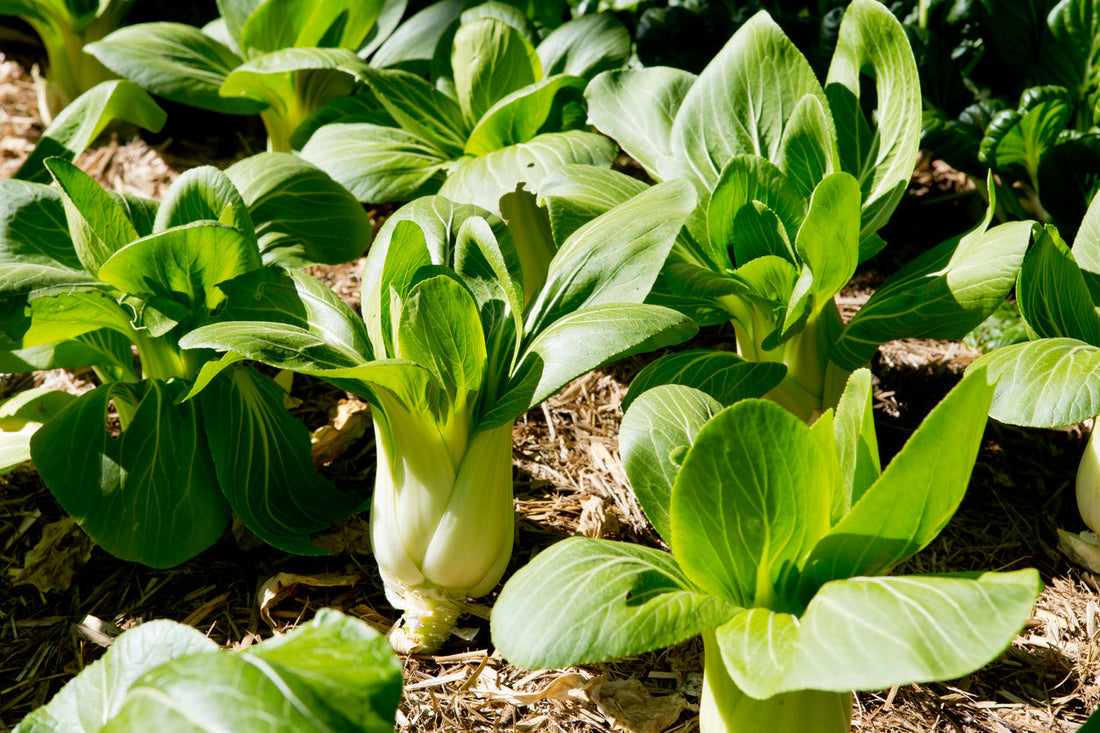
If you’re looking for a low-maintenance, leafy crop to plant in your garden or polytunnel, pak choi could be the perfect choice. These versatile leaves are best enjoyed in salads and stir-fries, but they’re also great for other Asian-inspired dishes including noodles and ramen.
Introduction
If you’re looking for a low-maintenance leafy crop for your garden or polytunnel, pak choi is an excellent choice. These versatile leaves are perfect for salads, stir-fries, noodles, and ramen. This guide covers everything you need to know about growing pak choi at home.
Growing pak choi from seed
Pak choi is hardy and can be grown throughout the year, though it bolts quickly in long, warm days. Sow seeds into moist soil in small pots or cellular trays. Direct sowing is possible, but seedlings may be eaten by slugs if left outside.
Transplanting pak choi plants
When seedlings reach around 2 inches tall, plant them firmly into nitrogen-rich, moisture-retentive soil. Keep them relatively cool, water regularly, and protect with horticultural fleece to deter pests like flea beetles.
Protecting pak choi seedlings
For organic weed control, refer to non-chemical methods. Using a polytunnel can also provide added protection for your seedlings.
Growing pak choi in a polytunnel
Polytunnels protect pak choi from pests and environmental hazards. Enhance protection with polytunnel accessories, including netting and ground covers.
What to do with a flowering pak choi plant
Bolting occurs when pak choi flowers, signaling the end of leafy growth. Options include:
- Taste the leaves: If flowers have just started, pick a few leaves to taste. Edible leaves can still be harvested.
- Harvest neighbouring plants: Harvest plants that haven’t bolted when others start flowering.
- Pick the flowers: Even bolted plants have edible stems and flowers, which are great in salads and stir-fries.
How to harvest pak choi
Leaves can be harvested as early as 30 days after sowing, and will regrow. Semi-mature or full-sized plants can be harvested after a couple of months. Wash the leaves thoroughly before use. For recipe ideas, see pak choi recipes.
How to cut pak choi
Use a harvest knife slightly above the soil line at the base of the plant. Cut away from yourself and clean the blade with warm soapy water or rubbing alcohol. Proper cutting ensures safety and maintains crop quality.
Start growing your pak choi today with Premier Polytunnels
Browse our range of polytunnels to find the right size for your plot. For questions or advice, call us or send us an email. We’re happy to help you start growing fresh, homegrown pak choi.


