Kale Growing Guide
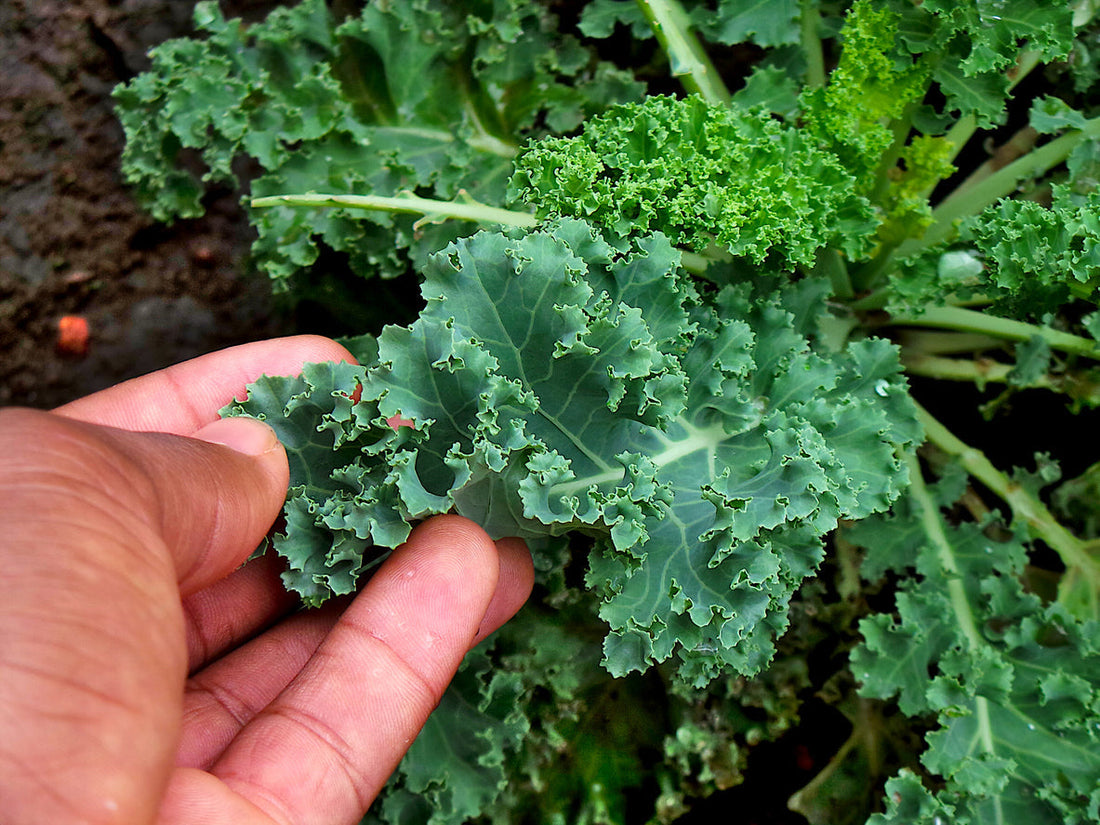
Kale is a true superstar of the vegetable patch. Versatile and packed full of nutrients, it's a fantastic addition to any kitchen garden or allotment. Read on to discover everything you need to know about how to grow kale.
Introduction
Kale is a true superstar of the vegetable patch. Versatile and packed full of nutrients, it's a fantastic addition to any kitchen garden or allotment. Whether you're blending kale into a healthy morning smoothie, roasting it into delicious vegetable chips, or tossing it into a hearty stew, having a fresh supply on your doorstep gives you instant access to this crunchy, fibrous 'superfood'.
One of the best things about this leafy green is its resilience. It's relatively simple to cultivate, making it an ideal choice for both beginners and seasoned gardeners. And does kale grow all year round? Yes! With the right preparation and a bit of protection, you can enjoy abundant harvests even in the coldest UK winters.
Read on to discover everything you need to know about how to grow kale, including the best sowing times, top varieties and expert tips to maximise your crops.
When to grow kale
Knowing exactly when to grow kale is the secret to a lengthy, productive crop. For most traditional autumn/winter harvesting, the ideal time to sow your seeds outdoors is between March and June. This gives the young plants plenty of time to establish deep roots and strong stems. It can then be harvested throughout the colder months.
You can sow kale seeds indoors or under the shelter of a polytunnel from around March. Sowing under cover protects the seedlings from snails and slugs before the plants develop a strong enough root system to be transplanted in the ground. And because kale is so hardy, it can withstand frost too.
How to plant kale
How to grow kale from a seed
Learning how to grow kale from a seed is straightforward and highly cost-effective. You can master the process at home by following these simple steps:
- Prepare your space: Fill modular trays or small pots with a good-quality, peat-free, moist multi-purpose compost.
- Sow the seeds: Sow two kale seeds in each hole, about 1cm deep, and cover them lightly with fine soil or compost.
- Provide shelter: Place your indoor pots on a bright windowsill or in your polytunnel to protect them from unpredictable spring weather and harsh winds.
- Keep them hydrated: Water the soil regularly so it remains consistently moist as the seeds germinate, but don't waterlog the soil.
- Harden off: If you started your seeds indoors, gradually acclimatise them to outdoor conditions before permanently planting them.
- Space them out: When planting out, space your young kale plants about 30cm to 60cm apart. This gives the large leaves plenty of room to expand.
- Maintenance: Keep the surrounding soil weed-free, water it well and consider using fine netting to protect your crop from pests.
Can you grow kale from plug plants?
Absolutely! If you missed the spring seed-sowing window or simply want a head start on the growing season, buying young plug plants from your local garden centre is a brilliant alternative.
Simply transplant these directly into your prepared garden beds or polytunnel. Dig a hole slightly deeper than the root ball, pop the plant in, and firm the soil tightly around the base. Kale likes to be securely anchored to prevent the wind from rocking the shallow-rooted stems, so firmly press down the soil before watering it in thoroughly.
How long does it take for kale to grow?
In typical UK conditions, kale is a relatively quick and highly rewarding crop:
- You should see the first tiny seedlings emerge within 7 to 14 days of sowing.
- Tender, baby leaves can be harvested for fresh salads in as little as 25 to 30 days.
- For fully matured, large leaves suitable for cooking, expect to wait around 50 to 70 days after sowing.
How to grow kale with Premier Polytunnels
A dedicated space can make all the difference when growing kale. We provide polytunnels and accessories that create a warm, sheltered environment, encouraging strong growth. A polytunnel is especially useful for protecting your crops from pests, and it extends your growing season, so you can enjoy fresh greens long after the first frosts.
Premier Polytunnels has been providing polytunnels and accessories for gardens of all sizes for over 35 years, and you'll find a range of high-quality options in our collection.
For personalised advice on which polytunnel is right for you when you're looking to grow kale and other crops, call our team on 01282 811250 or email info@premierpolytunnels.co.uk, and check out our other growing guides for more tips.


